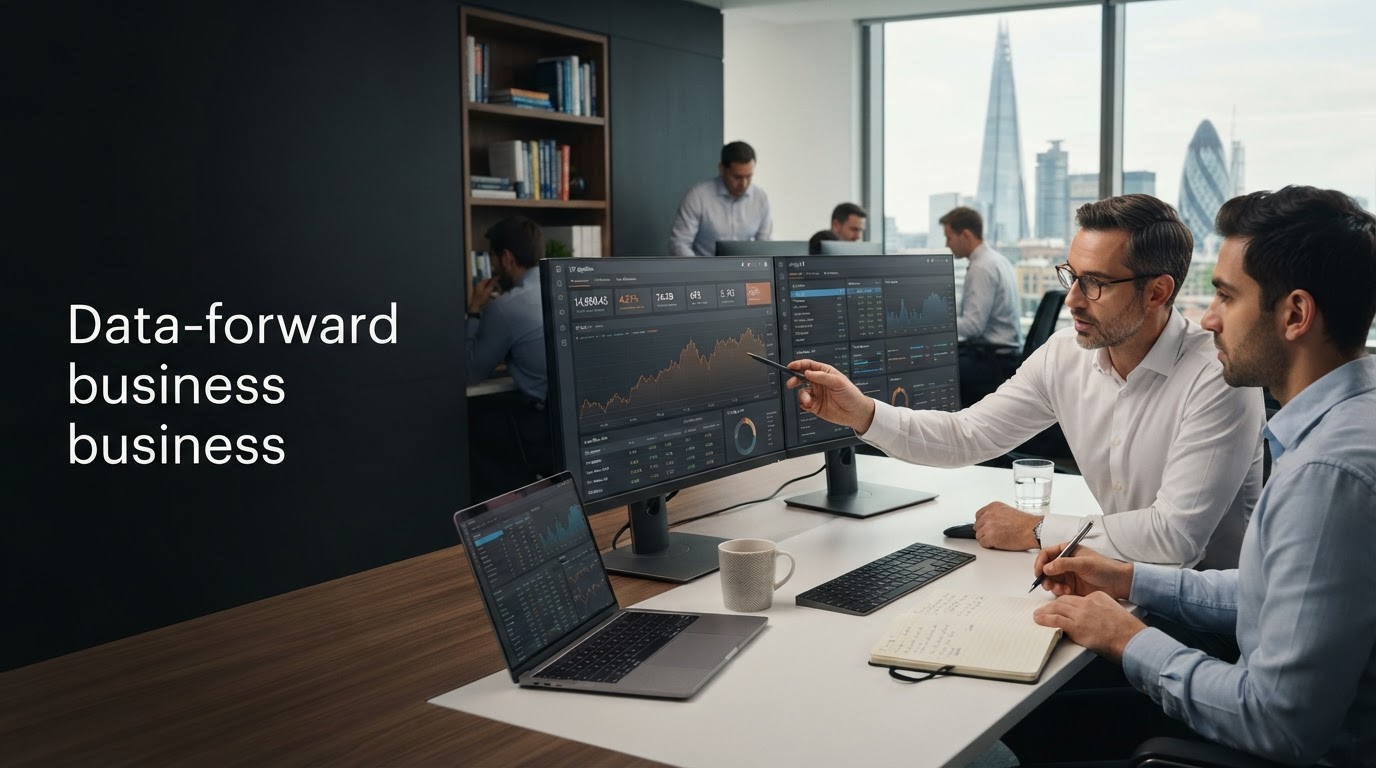
Built for people who earn by the hour, the mile, and the gig.
Choice Fundex started as a simple question: why do gig workers make six-figure annual decisions — which app to open, which shift to take, which market to work — with less data than a retail trader checking a stock ticker? We set out to close that gap.
From spreadsheets to a system
Choice Fundex began as an internal modelling exercise — a loose set of spreadsheets tracking shift payouts, demand patterns, and fee structures across gig platforms. What was a personal tracking habit turned into a shared tool once it became clear the same blind spots affected every earner doing this kind of work: fragmented data, opaque fee math, and no reliable way to compare one platform's offer against another's.
We rebuilt that spreadsheet logic into a proper product: a zero-fee execution layer paired with probabilistic forecasting, so the numbers you see reflect what you'll actually take home, not a marketing estimate.
Choice Fundex is still shaped by that original constraint — build the tool we wished existed, keep it honest about uncertainty, and never let a fee structure hide inside the fine print.

Give earners the same analytical footing as the platforms they work for
Gig platforms run sophisticated internal models to set pay and match supply with demand. Workers get a notification and a countdown timer. Choice Fundex exists to even that out — translating probability, fee structure, and historical patterns into a format a person can actually use before they accept or decline a shift.
What we build
- Zero-fee execution on every transaction we route
- Probabilistic forecasts grounded in historical patterns
- Comparative views across platforms and markets
What we avoid
- Guaranteed-outcome language or fixed-return promises
- Hidden spreads dressed up as "convenience fees"
- Opaque models we can't explain in plain language
Who it's for
- Rideshare and delivery drivers planning shift timing
- Freelancers weighing platform fee structures
- Anyone stacking gig income who wants clearer numbers
The principles behind the product
These aren't framed posters on a wall — they're the filters every feature request and design decision runs through before it ships.
Show the math, not just the result
Every forecast surfaces the inputs behind it. If a number moves, you can see why — no black-box confidence scores without context.
No margin hidden in the spread
We built our execution layer to carry no transaction fee by design, not as a promotional rate that reverts later.
Probabilities, not guarantees
Gig income is variable by nature. We model ranges and likelihoods rather than presenting a single number as certain.
Built from the earner's seat
Every screen is designed around someone deciding, in real time, whether a shift or gig is worth taking — not around an advertiser's dashboard.
Models that keep getting checked
Forecasts are only useful if they hold up against outcomes. We treat model accuracy as an ongoing process, not a one-time launch claim.
No jargon wall
If a feature can't be explained in a sentence a new user understands, it gets redesigned before it ships.
A small, focused group
Choice Fundex is built by a compact team spanning data modelling, platform engineering, and product design. We work close to the people who use the tool — pulling real shift and gig data patterns into the models rather than relying on assumptions about how the work actually happens.
We keep the team lean on purpose: fewer layers between a user's feedback and a shipped fix, and a product roadmap driven by what earners actually ask for rather than what's easiest to announce.
- Core focusEarnings modelling
- Execution feesZero
- Design priorityClarity over hype
- Development cycleContinuous iteration